

In industrial facilities across the United States, valve lockout devices are essential for safeguarding workers during maintenance and repair operations in manufacturing, utilities, and chemical plants.
These devices prevent the accidental release of hazardous energy – such as pressurized fluids, gases, steam, or chemicals – that could lead to severe injuries, spills, or explosions. Compliance with OSHA standard 29 CFR 1910.147 mandates effective lockout tagout procedures to isolate energy sources, making reliable valve lockouts a critical component of workplace safety programs.
Valve lockouts are particularly vital in high-risk environments:
Manufacturing plants – where they secure control valves on machinery and production lines.
Utilities – including water treatment and power generation facilities, to isolate pumps and pipelines.
Chemical plants – to prevent leaks of toxic or flammable substances during servicing.
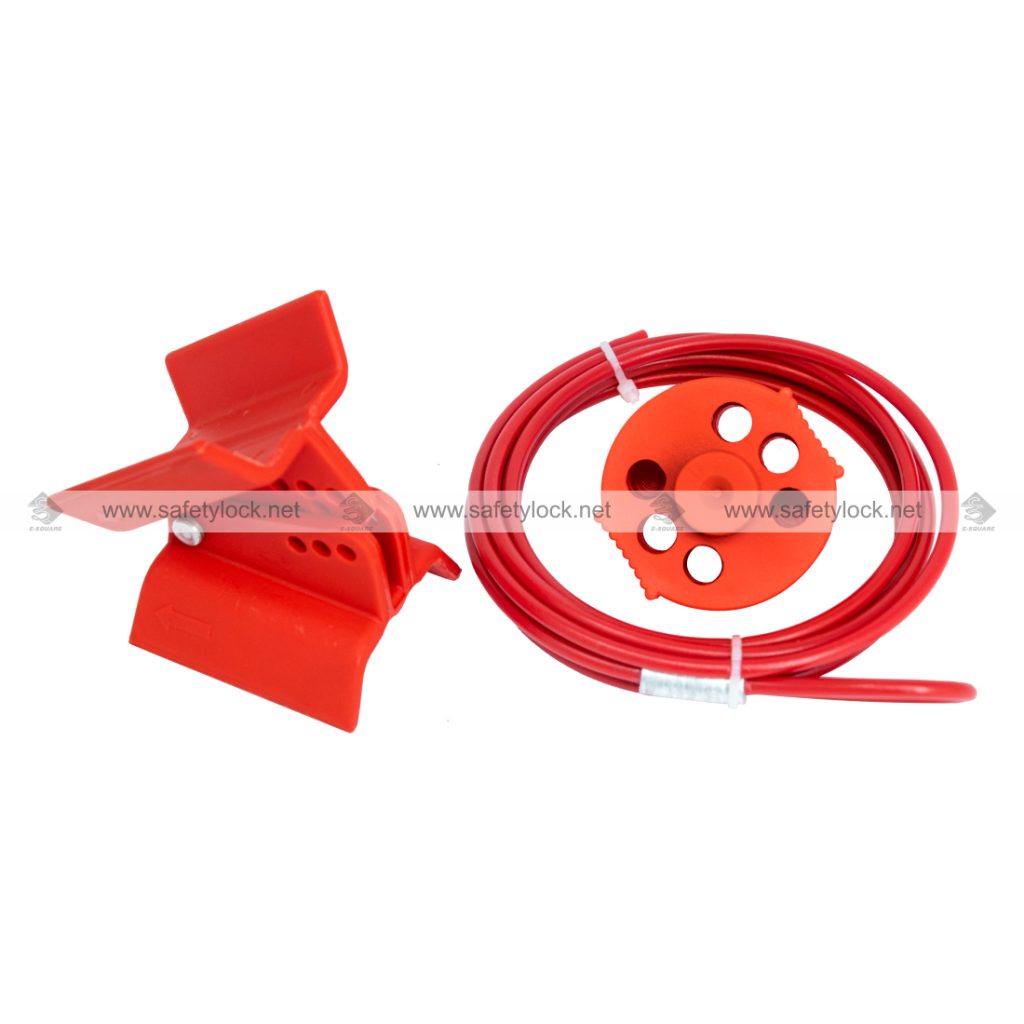
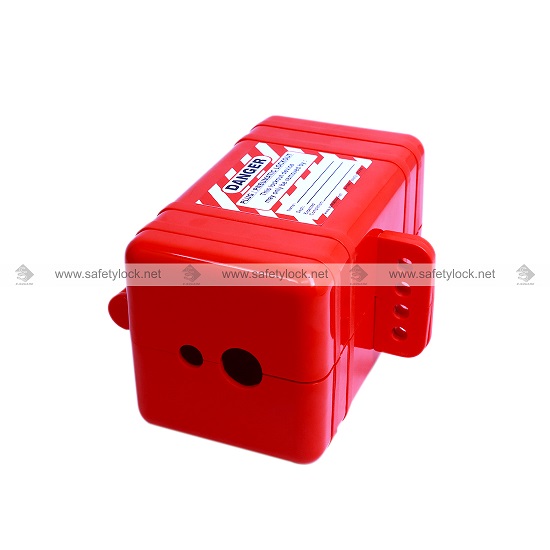
Common types of valve lockout devices include:
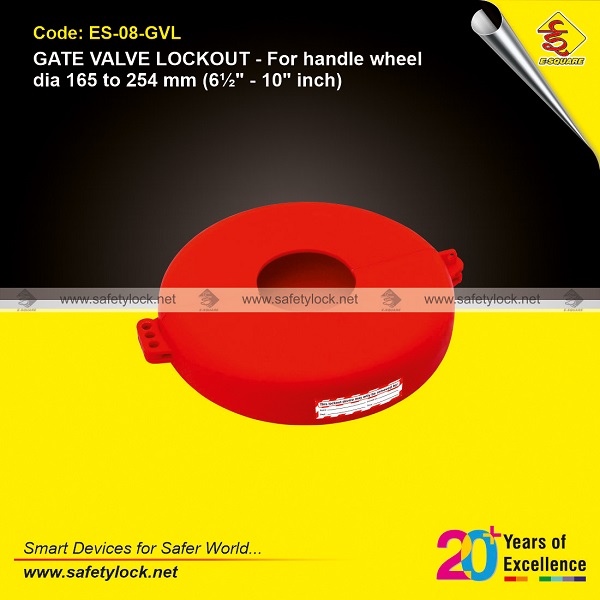
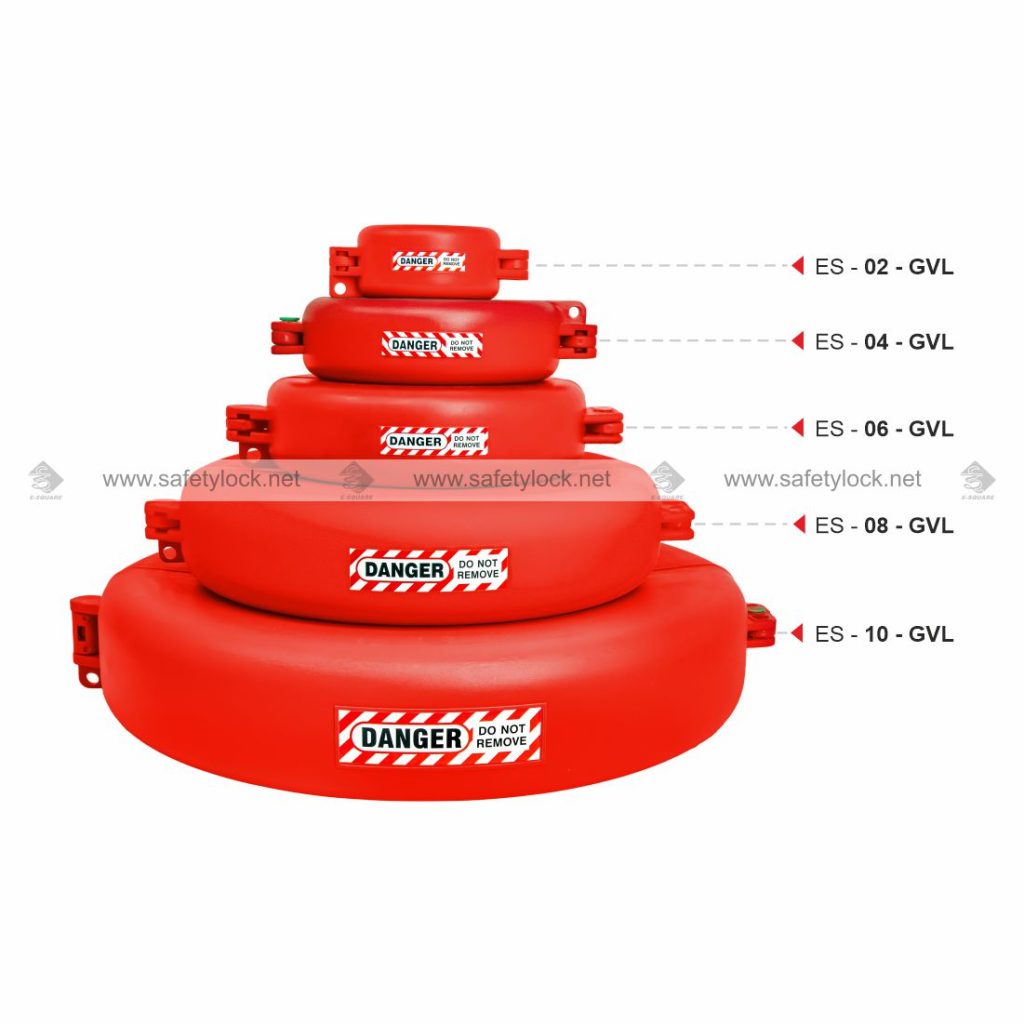
Gate valve lockouts, which encase the handwheel to block rotation.
Ball valve lockouts, designed for quarter-turn handles to prevent unintended operation.
Butterfly valve lockouts, that wedge between the handle and lever for secure isolation.
These durable, often adjustable devices are made from chemical-resistant materials to withstand harsh conditions.
By implementing proper valve lockout devices, facilities in the United States can significantly reduce accident risks and ensure regulatory compliance.
For high-quality, reliable solutions tailored to these industries, choose E-Square for your lockout tagout needs –